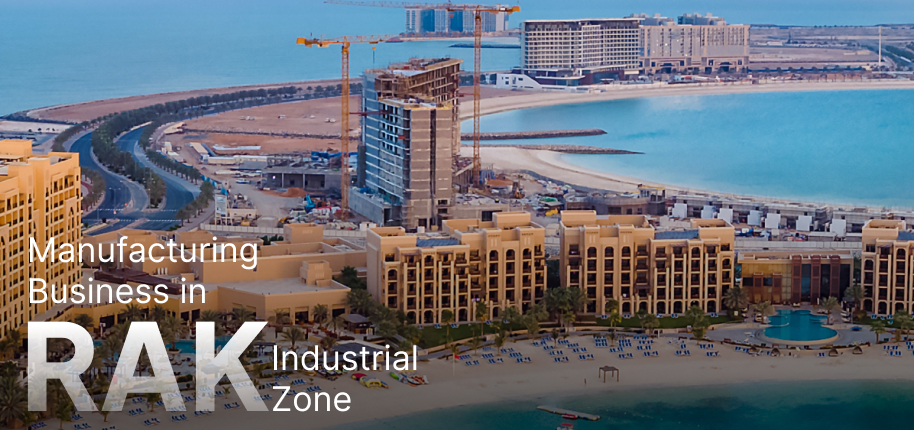
Manufacturing businesses across the UAE are facing increasing pressure from rising operational, rental, and labour costs, particularly in major commercial hubs such as Dubai and Abu Dhabi. As competition intensifies and margins tighten, manufacturers are actively searching for cost-efficient industrial zones that still offer strong infrastructure, regulatory support, and access to regional and international markets. This shift has significantly increased interest in Ras Al Khaimah (RAK), which has steadily built a strong reputation as a manufacturing and logistics hub.
With affordable industrial land, purpose-built facilities, and government-backed industrial incentives, RAK has become a strategic alternative for manufacturers looking to scale sustainably. This guide explains how to set up a manufacturing business in RAK Industrial Zone, who it is best suited for, the licensing and compliance process, cost considerations, and how RAK compares with Dubai’s industrial zones, helping investors make an informed decision.
Why the RAK Industrial Zone Is Ideal for Manufacturing Businesses?
Ras Al Khaimah business setup offers a combination of strategic advantages that make it particularly attractive for industrial and manufacturing operations.
Strategic Location
RAK’s geographical position offers manufacturers a strong logistical advantage within the UAE and across international trade routes. RAK benefits from direct access to
- Saqr Port (one of the largest bulk-handling ports in the region)
- Major UAE highways
- Proximity to Dubai, Sharjah, and Northern Emirates
- Efficient export routes to GCC, Asia, Africa, and Europe
This makes it ideal for manufacturers with export-focused or regional distribution models. It also enables faster movement through the supply chain and improved access to both domestic and international markets.
Cost Advantages
RAK is widely recognised for offering one of the most cost-efficient environments for industrial operations in the UAE. Compared to Dubai, RAK offers
- Significantly lower industrial land and warehouse rents
- Competitive labour and accommodation costs
- Reduced setup and renewal fees
This allows manufacturers to allocate more capital toward production capacity and business expansion. These savings can have a substantial long-term impact on profitability.
Industrial-Grade Infrastructure
RAK Industrial Zone is purpose-built to support both light and heavy manufacturing operations. Its infrastructure is designed to meet the technical and operational demands of industrial-scale production. RAK Industrial Zone provides
- High-capacity power and utilities
- Customisable warehouses and factories
- Industrial land for heavy manufacturing
- Logistics-ready facilities
This level of infrastructure enables manufacturers to operate efficiently from day one.
It also supports future expansion without the need for costly relocations.
Government Support
The UAE government actively supports manufacturing as part of its industrial diversification strategy, with RAK positioned as a key contributor to export-driven industrial growth.
Understanding RAK Industrial Zone (RAKEZ) and Its Structure
RAK Industrial Zone operates under RAKEZ (Ras Al Khaimah Economic Zone), one of the largest and most established economic zones in the UAE.
What Is RAKEZ?
RAKEZ operates as a central economic authority that attracts and supports a wide range of business activities. RAKEZ is a government-backed authority that supports
- Industrial
- Manufacturing
- Trading
- Logistics
- Service-based businesses
It caters to startups, SMEs, and multinational manufacturers alike. The zone offers flexible licensing, modern infrastructure, and streamlined regulatory processes.
Types of Industrial Zones Within RAKEZ
- Al Ghail Industrial Zone – Heavy manufacturing
- Al Hamra Industrial Zone – Light manufacturing and logistics
- RAK Maritime City – Marine and shipping-related manufacturing
Who Can Set Up
- Foreign investors (100% ownership)
- SMEs
- Large international manufacturers
Commonly Licensed Industries
- Food and beverage processing
- Construction materials
- Metals and fabrication
- Plastics and packaging
- Chemicals and industrial products
What Makes Manufacturing Setup Complex Without Expert Guidance?
The manufacturing setup is more complex than that of service or trading businesses due to additional regulatory layers.
Key Challenges Include
- Multiple authority approvals
- Environmental impact assessments
- Fire safety and civil defence inspections
- Machinery and equipment approvals
- Capital and facility planning
- Banking scrutiny for industrial activities
Each of these requirements must be coordinated in the correct sequence to avoid approval bottlenecks. Without expert support, these steps can cause delays, cost overruns, and compliance risks.
Manufacturing Business Licences Available in RAK Industrial Zone
Industrial Licence Overview
An industrial licence allows businesses to
- Manufacture
- Assemble
- Process
- Package goods
Light vs Heavy Manufacturing
- Light manufacturing – assembly, packaging, processing
- Heavy manufacturing – large-scale production, chemicals, metals
Licence Selection
Choosing the correct licence depends on
- Production type
- Machinery used
- Environmental impact
- Output volume
Step-by-Step Process to Set Up a Manufacturing Business in RAK Industrial Zone
Step 1 – Defining Manufacturing Activity and Production Scope
This step establishes the foundation of your manufacturing setup and determines all regulatory requirements. You must clearly define
- Product type
- Production capacity
- Raw material sourcing
- Local vs export focus
Clearly outlining these details also helps align your operational plans with zoning and compliance requirements. A clear definition at this stage helps authorities assess your application accurately. This determines licence type and facility needs.
Step 2 – Choosing the Right Facility Type
Selecting the appropriate facility is critical for meeting operational, compliance, and production requirements. The facility you choose must also align with your production scale, machinery needs, and long-term growth plans. Options include
- Warehouses
- Built-up factories
- Industrial land plots
The choice impacts utility capacity, inspection approvals, and expansion flexibility. Businesses can choose leasing or long-term land options depending on scale.
Step 3 – Company Registration and Licence Application
This stage formally establishes your manufacturing business within the RAK Industrial Zone framework. Includes
- Trade name reservation
- Initial approvals
- Submission of incorporation documents
These approvals confirm the business’s legal structure and authorised activities. Once completed, the company can proceed to facility inspections and regulatory clearances.
Step 4 – Facility Inspection and Authority Approvals
This step ensures that your manufacturing facility meets all safety, environmental, and operational standards. Approvals from
- Civil Defence
- Municipality
- Environmental authorities
- Equipment and machinery review
Successful inspections confirm that the facility is fit for industrial use. Only after these approvals can manufacturing operations legally commence.
Step 5 – Visa Processing for Owners and Employees
Visa planning is essential to ensure the right personnel are legally authorised to operate the manufacturing business.
- Investor visas
- Employment visas for engineers, technicians, and labourers
Visa quotas are linked to facility size and licence type. Proper workforce planning helps avoid delays in production and operations.
Step 6 – Corporate Bank Account Opening
Opening a corporate bank account is a critical step for managing payments, capital, and operational expenses. Banks assess
- Capital structure
- Business model
- Cross-border transactions
Manufacturing companies often face enhanced due diligence. Proper documentation and clear transaction flows help speed up bank approvals.
Capital, Cost & Investment Requirements for Manufacturing Setup
A clear understanding of capital and operating costs is essential for long-term manufacturing success. Proper cost planning allows manufacturers to allocate resources efficiently and minimise financial risks. Key cost components include:
- Licence and registration fees
- Facility rental or land lease
- Machinery and equipment
- Labour and accommodation
- Utilities and logistics
- Renewals and compliance costs
Factoring in these expenses early helps businesses maintain predictable cash flow and operational stability. RAK offers one of the lowest total cost structures for manufacturing in the UAE.
Compliance Requirements for Manufacturing Businesses in RAKEZ
Regulatory compliance is a critical part of operating a manufacturing business and directly impacts licensing and continuity. Manufacturers must comply with
- Environmental and waste management rules
- Health and safety regulations
- ESR, AML, and UBO (where applicable)
- Corporate tax and VAT registration
Early compliance planning helps avoid penalties, operational disruptions, and approval delays. Compliance is ongoing and must be planned from day one.
Advantages of Setting Up a Manufacturing Business in the RAK Industrial Zone
RAK Industrial Zone has emerged as one of the most attractive destinations in the UAE for manufacturing businesses. Its business-friendly policies and cost-efficient environment make it especially suitable for startups, SMEs, and large manufacturers.
The zone is designed to support long-term industrial growth while minimising operational complexity.
- Lower operational and labour costs
- Flexible visa quotas
- 100% foreign ownership
- Export-friendly infrastructure
- Strong government support
- Faster approvals than major hubs
These benefits enable manufacturers to optimise production costs and improve profitability. They also allow businesses to scale operations efficiently without excessive regulatory burden. As a result, RAK Industrial Zone offers a compelling alternative to higher-cost industrial hubs in the UAE.
Limitations and Challenges Manufacturers Should Be Aware Of
While RAK Industrial Zone offers significant advantages, manufacturers should also understand potential limitations before making a final decision. Proper planning and expert guidance can help mitigate these challenges and ensure smooth operations. Being aware of these factors early allows businesses to structure their setup more effectively.
- Mainland trading requires distributors
- Domestic logistics planning is essential
- Banking timelines may be longer
- Workforce housing must be planned
Addressing these challenges in advance helps prevent operational delays. Strategic planning ensures compliance without compromising business efficiency. With the right advisory support, most of these limitations can be managed successfully.
RAK Industrial Zone vs Dubai Industrial Zones
Many investors compare Dubai free zones with RAK Industrial Zone before deciding where to establish manufacturing operations. While Dubai offers global branding and proximity to major commercial centres, RAK often provides superior cost efficiency for industrial businesses.
RAK Industrial Zone vs Dubai Industrial Zones
| Factor | RAK Industrial Zone (RAKEZ) | Dubai Industrial Zones |
| Setup Cost | Low | High |
| Facility Rent | Affordable | Premium |
| Manufacturing Focus | Strong | Limited in some zones |
| Compliance Intensity | Moderate | High |
| Best For | Cost-driven manufacturers | Brand-driven enterprises |
| Expansion Flexibility | High | Moderate |
This comparison helps manufacturers who compare Dubai free zones understand why RAK is often the smarter long-term choice for industrial operations.
How OADC Supports Manufacturing Business Setup in the RAK Industrial Zone?
OADC works closely with manufacturers to simplify complex setup processes and ensure regulatory compliance at every stage of the journey. The team provides end-to-end support covering feasibility assessments and jurisdiction selection, licensing and regulatory approvals, facility sourcing and inspections, visa processing and labour approvals, as well as corporate tax, VAT, and ongoing compliance support. In addition, OADC offers long-term advisory services to help businesses scale and expand efficiently. This comprehensive approach allows manufacturers to focus on production and growth, while OADC manages the setup, approvals, and compliance requirements.
Why 2026 Is the Right Time to Start Manufacturing in RAK?
The manufacturing sector in the UAE is entering a strong growth phase driven by long-term national strategies. Ras Al Khaimah is positioned to play a key role in supporting industrial expansion and export-led growth.
- Growing demand for regional manufacturing
- UAE’s push for industrial self-sufficiency
- Infrastructure expansion in Ras Al Khaimah
- Strong export-driven growth opportunities
Early market entry allows manufacturers to secure prime facilities and favourable terms. Manufacturers entering now benefit from early positioning and cost advantages.
Conclusion
Setting up a manufacturing business in the RAK Industrial Zone offers a powerful combination of cost efficiency, infrastructure, and market access. While many investors compare Dubai free zones when planning industrial operations, RAK consistently stands out for manufacturers seeking scalable, compliant, and profitable operations. With expert guidance from OADC, businesses can confidently navigate licensing, approvals, compliance, and long-term planning, ensuring a smooth and successful manufacturing setup in Ras Al Khaimah.