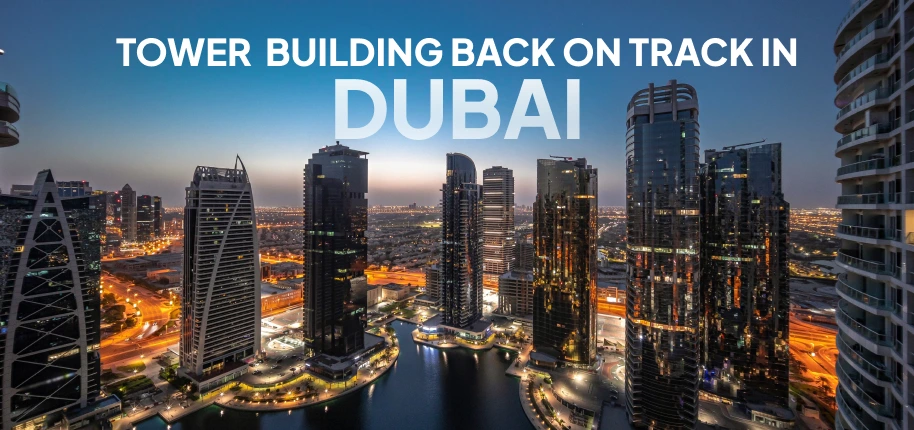
Dubai’s construction industry continues to demonstrate resilience as major residential developments reach important milestones, reinforcing confidence in the emirate’s long-term property market. One notable example is Al Habtoor Tower, an ambitious residential development that reached its structural topping-out milestone in April 2026. The project’s progress reflects the scale of ongoing construction activity in Dubai, where developers are responding to demand for modern housing, premium residential communities and supporting infrastructure. Beyond real estate investment, these developments are creating opportunities for construction companies, engineering consultancies, building material suppliers and other businesses serving the property sector.
Al Habtoor Tower Marks a Major Construction Milestone
Dubai’s Al Habtoor Tower reached its structural topping-out milestone in April 2026, according to an announcement from Al Habtoor Group.
The 86-floor residential development is located within Al Habtoor City on Sheikh Zayed Road and contains 1,740 residential units.
The developer announced plans for phased handovers, initially targeting more than 1,300 apartments during summer 2026. However, the topping-out milestone does not itself confirm that residential handovers have been completed.
Reaching the building’s highest structural point represents an important stage in construction, although interior finishing, building systems, inspections and other requirements must still be completed before final delivery.
The development provides a visible example of Dubai’s continued investment in large residential projects.
Why Dubai’s Construction Sector Continues to Attract Investment
Dubai’s appeal as a destination for property development is supported by several structural factors.
Population Growth and Housing Requirements
As Dubai attracts residents, entrepreneurs and international professionals, demand for residential accommodation continues to influence development planning.
Different communities require different types of housing, including apartments, family homes and premium residential properties.
However, demand is not uniform across the city. Developers must consider location, affordability, competing supply and changing buyer preferences.
International Investment
Dubai’s established property market continues to attract international attention.
Developments offering modern amenities, strong transport connections and desirable locations may appeal to both residents and overseas buyers.
Nevertheless, investment interest should not be interpreted as a guarantee of rising property values or successful project sales.
Infrastructure and Urban Development
Residential construction also creates demand for supporting infrastructure.
Transport connections, utilities, commercial spaces, schools, healthcare facilities and community services all contribute to the wider development environment.
These requirements can support opportunities for businesses operating outside traditional property development.
For additional information about the relationship between housing requirements and commercial opportunities,
Also read – Dubai Needs Homes.
What Major Tower Developments Mean for Dubai’s Property Market
Large construction projects can influence Dubai’s property market in several ways.
Increasing residential supply
New developments introduce additional accommodation into the market. This can provide buyers and tenants with greater choice while increasing competition between properties.
Supporting construction-related employment
Major developments require engineers, architects, project managers, contractors, technicians and specialist service providers.
Encouraging commercial activity
Residential communities generate demand for retail, hospitality, maintenance, property management and other local services.
Improving urban infrastructure
Well-planned developments can contribute to the expansion of surrounding facilities and infrastructure.
However, individual project milestones should not be treated as proof that every segment of Dubai’s construction market is growing at the same rate.
Construction Projects Creating New Business Opportunities
Dubai’s building activity creates opportunities for businesses across multiple industries.
| Business Sector | Potential Opportunities |
|---|---|
| Construction and Contracting | Building works, specialist contracting and project execution |
| Engineering and Architecture | Structural design, technical consultancy and project planning |
| Building Materials | Supply of construction products, equipment and finishing materials |
| Property Management | Building operations, maintenance and facilities services |
| Interior Design | Residential fit-outs, furnishing and finishing services |
These opportunities extend beyond companies directly involved in constructing towers.
For example, completed residential buildings require ongoing maintenance, cleaning, security, repairs and facilities management.
This means business opportunities may continue after construction is finished.
How Dubai’s Construction Growth Benefits Entrepreneurs
Demand for Specialist Services
Modern buildings often require specialist expertise.
Companies providing technical consultancy, energy-efficient building solutions, smart building systems and specialist maintenance may find opportunities within Dubai’s construction ecosystem.
Opportunities for Small and Medium-Sized Businesses
Entrepreneurs do not necessarily need the financial resources of a major developer to participate in the sector.
Smaller companies can provide specialised services such as
- Building materials distribution
- Interior finishing
- Technical consultancy
- Equipment maintenance
- Facilities management
- Property technology solutions
However, businesses must confirm that their proposed activities are permitted under their licences.
Long-Term Service Requirements
Construction projects have several stages, from planning and development to completion and ongoing operation.
Each stage creates different commercial requirements.
Businesses that understand these requirements can position their services around practical market needs rather than relying solely on short-term property trends.
Mainland vs Free Zone – Which Is Better for Construction Businesses?
Selecting the appropriate jurisdiction is an important decision for entrepreneurs entering Dubai’s property and construction sectors.
Dubai Mainland
A mainland company may be suitable for businesses intending to carry out construction, contracting or other activities directly within Dubai’s local market.
Depending on the activity, additional approvals, professional qualifications and regulatory requirements may apply.
Dubai Free Zones
Free zones may suit certain consultancy, trading, technology or support businesses serving the construction industry.
However, a free zone licence does not automatically authorise a company to undertake regulated construction work throughout Dubai mainland.
Businesses should confirm the permitted scope of their activities before selecting a jurisdiction.
Entrepreneurs can review available structures through our Dubai Company Formation Services to identify a suitable starting point for their operations.
Challenges Facing Dubai’s Construction Industry
Although major developments demonstrate continued activity, construction businesses must also manage commercial and operational risks.
Rising Operating Costs
Materials, labour, equipment and specialist services can significantly influence project budgets.
Companies should evaluate costs carefully before entering contracts or expanding operations.
Project Delivery Requirements
Large developments involve multiple contractors, suppliers and regulatory stakeholders.
Effective coordination, quality control and project management are essential to meeting contractual obligations.
Regulatory Compliance
Construction-related businesses may require approvals from Dubai Municipality and other relevant authorities, depending on the nature and location of their work.
Building standards, safety requirements and professional licensing obligations must also be considered.
Market Competition
Dubai’s established construction industry includes experienced local and international companies.
New entrants should identify a clear specialisation and demonstrate the technical capabilities required for their chosen activities.
What Does the Future Hold for Dubai’s Construction Sector?
Dubai’s construction outlook is supported by ongoing residential development, infrastructure investment and the continued expansion of established communities.
The progress of projects such as Al Habtoor Tower demonstrates that major developers are continuing to advance substantial building programmes.
Another example is the Trump International Hotel & Tower Dubai project, where developer Dar Global awarded a podium construction contract in August 2026. The planned development includes an approximately 350-metre tower with 80 floors.
These developments suggest continued activity in selected segments of the market.
However, future performance will depend on factors including financing conditions, construction costs, property demand, project delivery and the balance between new supply and market absorption.
For entrepreneurs, the strongest opportunities are likely to come from identifying specific commercial needs and building services around them.
Conclusion
Major construction milestones such as Al Habtoor Tower’s structural completion demonstrate the continued progress of Dubai’s residential development sector. While individual projects do not guarantee wider market growth, they highlight opportunities for businesses providing construction, engineering, materials, maintenance and related services.
Entrepreneurs considering entering this market should focus on realistic demand, appropriate licensing and long-term business planning. For assistance with selecting a suitable company structure and understanding registration requirements, Contact Us to discuss your business plans in Dubai.